
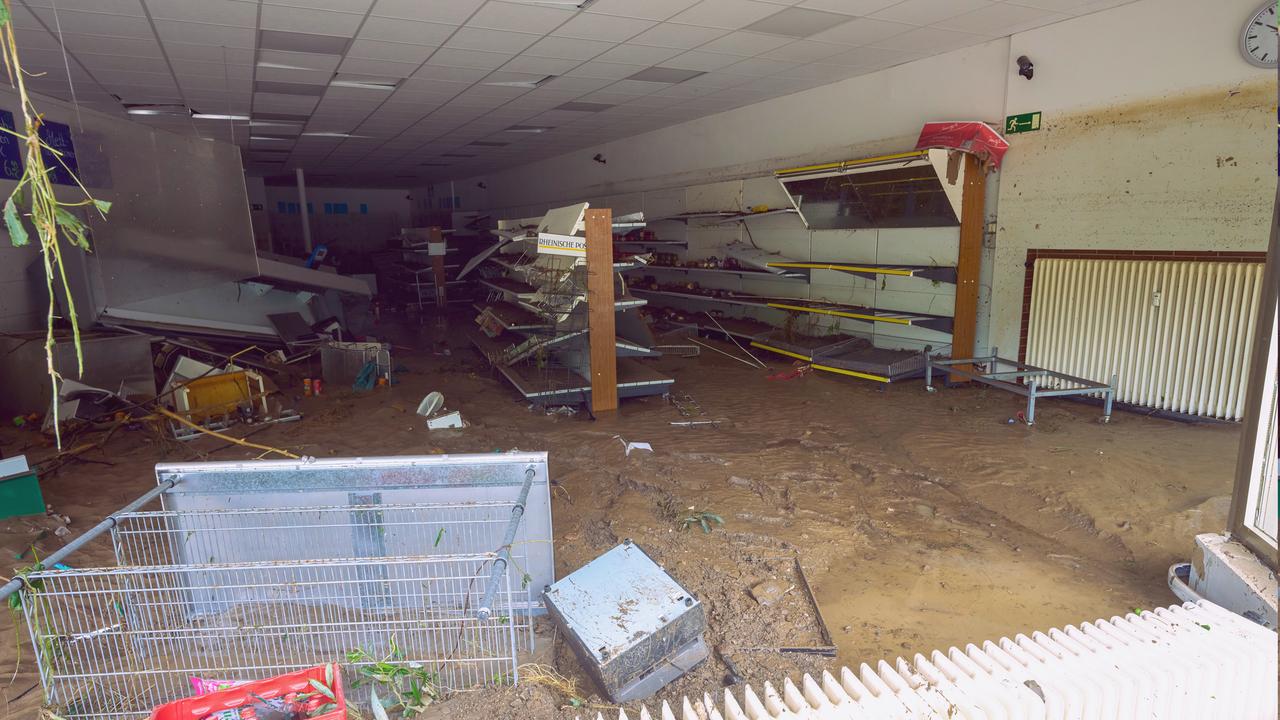
Damage to business premises caused by fire or flooding does not mean that the insurer will pay the declared value of all stock kept there. Disputes often concern not whether the incident occurred, but which goods were on the premises at the time and the extent of the damage they sustained. Proving stock loss therefore requires more than submitting the total value of invoices: it requires an assessment linking commercial records to the physical damage.
Insurance Coverage And Proof Of Loss Are Separate Issues
The first question is whether the policy covers the goods held as stock and the event that occurred. Fire cover does not mean that every type of water damage is also insured. Flooding and water damage originating from internal plumbing installations are assessed under the relevant additional cover and clauses. The presence of the goods at the insured location specified in the policy, and their connection to the insured interest, also matter.
Under Article 1409 of the Turkish Commercial Code, the insurer bears the burden of proving an asserted exclusion from cover. This does not, however, relieve the insured of the burden of proving the occurrence of the insured event, the goods affected and the amount of the actual loss. Even if the insurer fails to prove an exclusion, the full stock value claimed is not automatically established.
A Purchase Invoice Alone Does Not Establish Stock On The Date Of Loss
The purchase of a product does not establish that it remained in the same warehouse on the date of the fire or flood. It may have been sold, transferred to another branch, used in production or returned before the incident. Stock at the date of loss must therefore be reconstructed by examining opening quantities together with subsequent purchases, sales, production and dispatch movements.
In its decision dated 25 June 2020, Case No. 2018/3365, Decision No. 2020/4021, the 17th Civil Chamber of the Court of Cassation held that merely comparing invoices with the loss adjuster’s report was insufficient without establishing stock before the fire. It required an examination of whether the commercial books corroborated one another, were consistent with the invoices and recorded values consistent with prevailing market prices.
Inventory records and commercial books are important foundations for this assessment. Electronic invoices, electronic dispatch notes, warehouse software records, supplier delivery documents and inter-branch transfers may also help verify the records. Nevertheless, the business’s aggregate stock across all branches must not be treated as goods held solely at the damaged premises. The formal compliance of the records and their ability to establish the goods physically present at the incident location must be assessed separately.
The Loss Adjuster’s Findings Must Be Tested Against The Records
A fire brigade report is important evidence of the location and development of the incident and the damage observed; it does not, however, replace a detailed stock count identifying the quantity and value of each product. Photographs and videos, stock count reports, lists of damaged products, disposal records and records of salvaged goods should be assessed together. Whether a product that has not been completely burnt has nevertheless become unusable because of smoke, soot or contaminated water may also require technical assessment appropriate to the product.
An insurance loss adjuster’s report is important evidence. However, an ordinary loss adjustment report is distinct from an agreement between the parties on the amount of loss or a separate contractual expert determination procedure. Where the report is challenged, it should be possible to explain which goods were counted, which documents were used, which items were excluded and how the valuation was performed.
In its decision dated 15 February 2010, Case No. 2008/10961, Decision No. 2010/1630, the 11th Civil Chamber of the Court of Cassation criticised the absence from the case file of documents cited in a flood loss adjustment report and the failure to conduct a count at the premises. The Chamber required an examination of incoming and outgoing goods through commercial records, as well as consideration of the objection that the claimed stock might not physically fit within the premises.
Damage To The Books Does Not Automatically Defeat The Claim
Commercial books and documents may themselves be lost or destroyed in a fire or flood. Where the relevant conditions are met, Article 82(7) of the Turkish Commercial Code allows a trader to apply to the competent court for a certificate of loss within thirty days of learning of the loss. This certificate concerns the loss of the books; it does not, by itself, establish which goods were damaged or their value.
It is important to collect available evidence from the accountant’s records, electronic backups, suppliers’ copies and inspections of the incident location. Where the existence of loss has been established but its amount cannot be determined precisely, the court may assess an equitable amount under Article 50(2) of the Turkish Code of Obligations. This possibility does not replace the obligation to produce available evidence.
In its decision dated 6 March 2025, Case No. 2024/1657, Decision No. 2025/374, the majority of the 17th Civil Chamber of the Istanbul Regional Court of Appeal assessed uncertainty over the amount of stock loss caused by a fire under Article 50(2) of the Turkish Code of Obligations and awarded a reduced amount. The dissenting opinion maintained that loss exceeding the amount already paid had not been proved. The decision illustrates that evidential difficulty does not lead to every claim being upheld and that the specific evidence remains decisive.
The Proven Stock Value May Differ From The Indemnity Payable
Once the actual loss has been established, the policy limit, applicable deductibles, underinsurance and the value of salvaged goods must be assessed separately. Goods that remain usable or saleable must be distinguished from those that are a total loss. The loss of anticipated sales profit resulting from stock damage is also distinct from physical damage to the goods; loss of profits cover must be examined separately.
A well-supported stock loss claim depends on consistency between pre-loss movements of goods and post-incident findings. Rather than relying solely on an invoice, an accounting balance or a single report, the evidence must establish together that the goods were at the insured location when the loss occurred, that they sustained damage and what their value was.
Please contact us for information about our services relating to the assessment of insurance law disputes, legal advice and the conduct of litigation.